
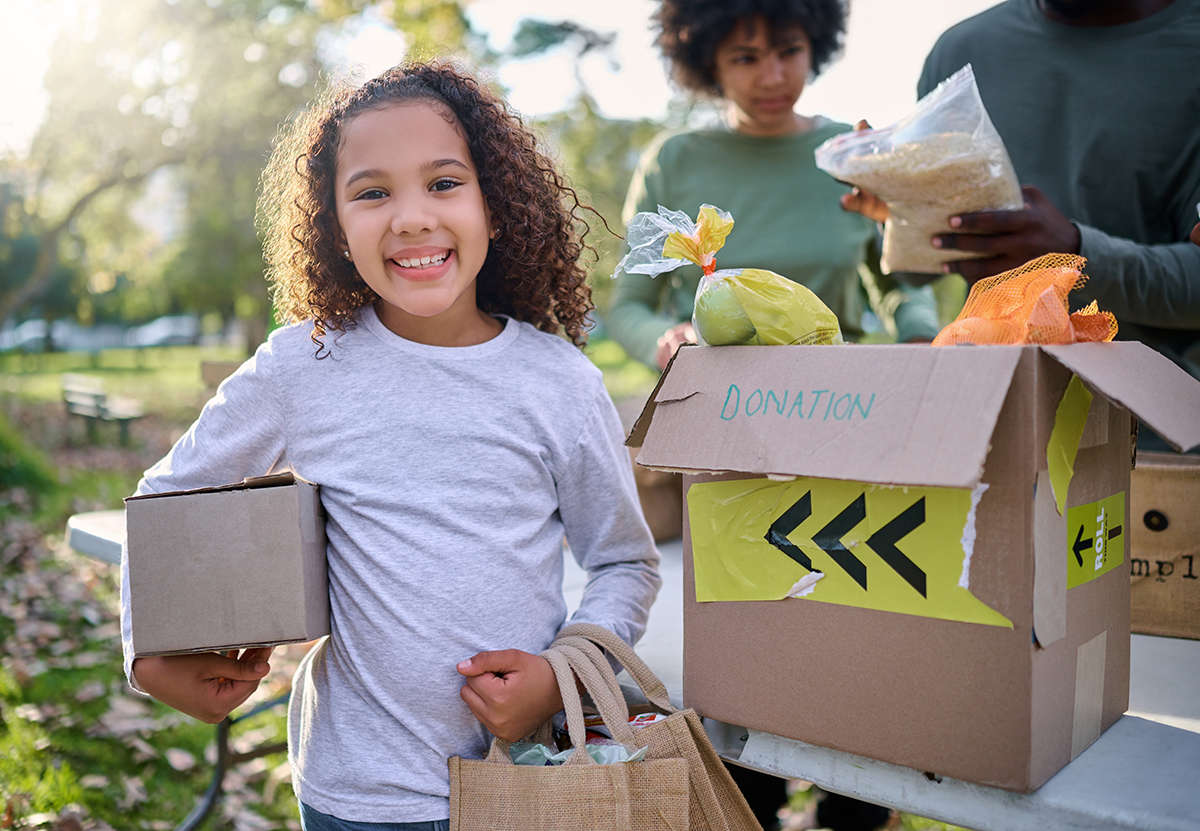
Volunteering is a great way to teach your child to care about other people, to understand that the world is bigger than their own needs, and to know that small acts of kindness make a difference. Instilling these values while they are young can shape them for a lifetime. But when your child is just three, four, or five, where do you begin? What are good volunteer activities for preschoolers in Austin?
The good news is you don’t need to sign up for a formal program to start building a family habit of helping others. Many volunteer activities for preschoolers in Austin begin at home, in your neighborhood, or through your community.
A few simple activities will introduce your child to the idea of giving back without making it complicated for either of you. Then, when you’re ready to move beyond informal projects, Austin offers structured opportunities designed to help young children participate in service with their families.
Key Takeaways
- Keep it simple. Preschoolers can participate in hands-on service activities that match their abilities and interests.
- Start at home. Donating toys, making cards, and sorting supplies are accessible ways to introduce community service.
- Make kindness a habit. A few minutes of helping on a regular basis matters more than one big project.
- Explore your community for more ideas. Schools, faith communities, and family-friendly volunteer events offer opportunities to serve together.
- Find support when you’re ready. Programs such as Generation SERVE’s Little Helpers provide structured, age-appropriate activities for preschoolers and their caregivers.
Why Start Volunteering So Young?
Preschoolers are learning about relationships, feelings, and their place in the world. They watch how adults treat other people, notice when someone needs help, and start figuring out what it means to share, cooperate, and care.
According to the American Academy of Pediatrics, preschoolers grow more attuned to how other people feel and act, and they gradually compete less and cooperate more with friends. They still need plenty of adult guidance as they practice these skills.
Volunteering gives families a practical way to bring those ideas to life. Instead of simply telling a child to be kind, you show them what kindness looks like. You might explain why you’re donating books, talk about how a handmade card could brighten someone’s day, or invite your child to help gather supplies for a local organization.
Don’t expect every activity to produce an immediate lesson, though. Your preschooler might be more interested in the stickers on a card than the person receiving it. That’s fine. At this age, the experience is an opportunity to participate, ask questions, and observe you helping others.
For now, the aim is simple: make helping others a familiar part of family life.
That idea also informs Generation SERVE’s broader mission of inspiring young people to become community-minded leaders through meaningful service experiences. Families can start putting that principle into practice long before a child is ready for a larger commitment.
Simple At-Home Volunteer Ideas for Preschoolers
You don’t need special supplies, a volunteer coordinator, or a free Saturday afternoon to volunteer. These activities are easy to adapt to your child’s interests and attention span.
Giving Away Outgrown Toys and Books
Preschoolers outgrow clothes, toys, and books quickly. Invite your child to help choose a few items in good condition to donate. Explain where the items are going and who might use them. For example, you could tell your child that another family will be able to read a favorite book or play with a toy that no longer gets much use at your house.
Allow your child to participate in manageable ways, such as placing selected books in a box or helping carry a lightweight bag. You make the final decisions about what to donate and where to take it.
The activity also offers a natural opportunity to talk about sharing without suggesting that children must give away possessions they’re not ready to part with.
Making Cards for Seniors or Hospital Patients
Paper, crayons, and stickers are all you need to make a cheerful card. Your child can draw a picture, decorate a page, or dictate a short message while you write it down. Explain who will receive the card and why you’re sending it. You might say that you’re making something to help someone feel remembered or to bring a little happiness to their day.
Before delivering or mailing the cards, check with the intended organization. They may have rules about accepting homemade items, including restrictions on materials, glitter, or edible decorations.
Local Park or Neighborhood Cleanups
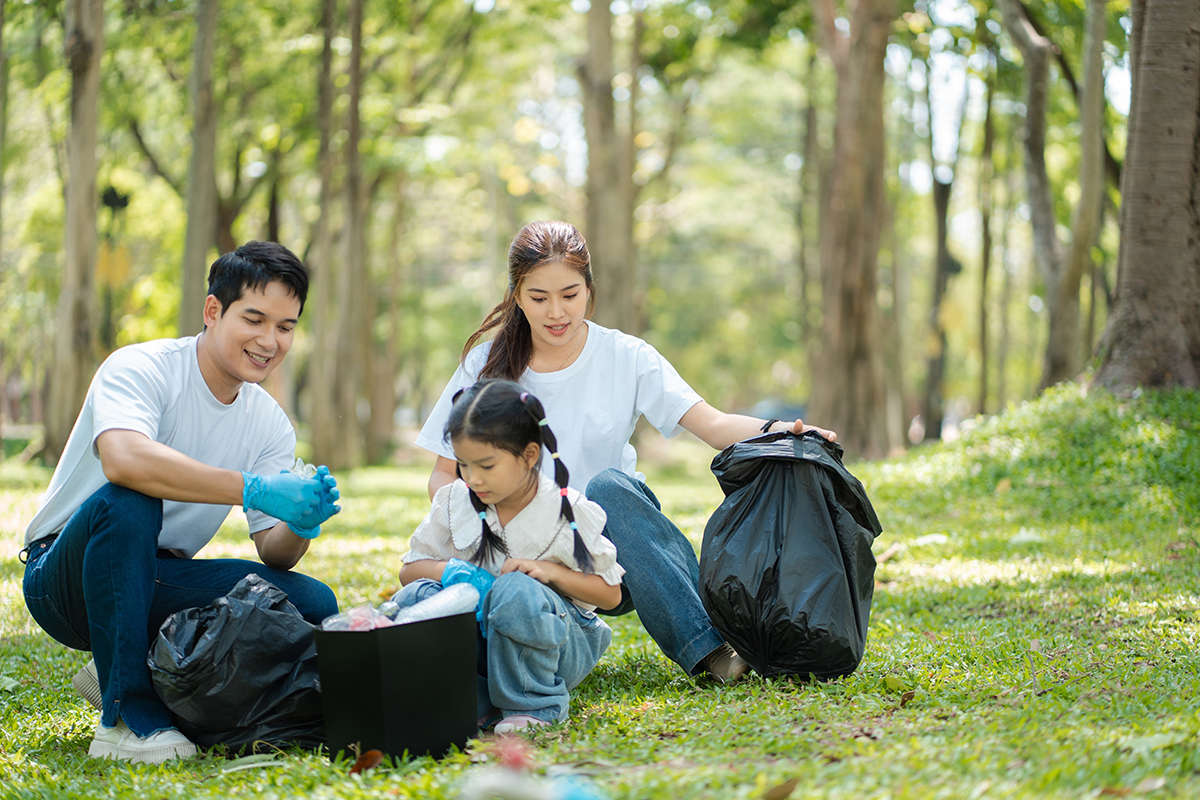
Cleaning up as you go can turn an ordinary neighborhood walk into a service activity. Take a garbage bag on your walk and spend a few minutes caring for a shared outdoor space. That’s a meaningful first step.
Preschoolers can help identify litter from a safe distance, point out items for an adult to collect, or carry an appropriate lightweight bag with supervision. Don’t allow children to handle hazardous waste or anything that could cause injury.
You can also check whether a nearby park has an organized cleanup day but don’t feel obligated to wait for a formal event.
Helping With a Food or Diaper Drive
Community food banks and family-support organizations often collect food, diapers, and other essentials. Ask a local organization what it needs before gathering donations.
At home, your preschooler can help sort approved items into categories, count cans with you, or place packages in a donation box. You can explain that these supplies go to families who need them.
Keep the task straightforward and let your child participate without expecting perfect sorting or counting. A few sorted cans still count as a real contribution.
Community Volunteer Activities for Preschoolers in Austin
Once your family has tried a few activities at home, find ways to help people beyond your immediate circle. Austin families have several opportunities available.
Family-Friendly Volunteer Days
Some nonprofit organizations offer seasonal events, one-day projects, or family volunteer opportunities. Activities might involve preparing supplies, making items for community members, or helping with an environmental project.
Look for opportunities that explicitly welcome young children. Check the minimum age, whether a caregiver must participate, how long the activity lasts, and whether you need to bring supplies.
A single event is a comfortable next step if you’re not ready to commit to a recurring program. It also gives you a chance to discover which kinds of activities interest your child.
School or Faith Community Opportunities
Your child’s preschool, daycare, place of worship, or neighborhood community group may already organize service projects. These are good starting points because your family probably knows the people involved and is familiar with the setting.
Ask whether young children can participate in activities such as assembling care packages, collecting donations, or making cards. If a project isn’t suitable for preschoolers, an organizer may know of another opportunity that welcomes younger children.
You can also ask about ways to help from home if attending an event isn’t practical. The important thing is to find a task that makes sense for your child’s age and your family’s schedule.
Structured Programs Designed for This Age Group
If you’d like regular opportunities without having to plan every activity yourself, consider a program created specifically for preschoolers.
Generation SERVE’s Little Helpers program introduces children ages 3 through 5 who haven’t yet entered kindergarten to volunteering through stories, hands-on service activities, and time to play and connect with other families.
The program was developed by Carol McHorse, a certified teacher specializing in early childhood education, and sessions are facilitated by certified teachers. A parent or other participating adult joins each child, making the experience a shared family activity rather than a drop-off program.
Activities explore themes such as animal care, gardening, helping neighbors, protecting the environment, and connecting with seniors. Sessions run in the fall, spring, and summer at locations around the Austin metro area.
For families who want to explore service in a welcoming, age-appropriate setting, Little Helpers offers a more structured option than organizing each project independently.
What to Look for in a Structured Program
Not every volunteer opportunity is a good fit for every preschooler. If you’re comparing programs, consider a few practical questions before signing up.
Is the activity designed for your child’s age?
A project intended for older children may require the sustained attention, advanced fine motor skills, or independence that a preschooler is still developing. Look for activities with simple instructions, hands-on participation, and room for adult assistance.
Are parents or caregivers expected to participate?
At ages 3 through 5, children generally need an adult nearby to explain tasks, provide encouragement, and handle anything beyond their abilities. Check whether the program requires a parent or caregiver to participate throughout the session.
How long does the activity last?
A preschooler’s attention shifts quickly. Look for a schedule that balances the service activity with opportunities to listen, move around, and take breaks. A longer event isn’t necessarily a better one.
Who plans and leads the activities?
Ask whether facilitators have experience working with young children and how they adapt projects for different developmental levels. Clear instructions and realistic expectations make participation easier for the whole family.
Will your family have a chance to connect with others?
Some families enjoy independent projects, while others prefer meeting people who share their interest in community service. If social connection matters to you, look for opportunities that offer time for families to get acquainted.
Generation SERVE’s Little Helpers program illustrates several of these features. Its curriculum was created by a certified early childhood educator, certified teachers facilitate the sessions, and each child participates with an adult. Groups are limited to 10 child participants per session, which helps keep the experience small and manageable.
If your child is approaching kindergarten or you’re looking for a wider range of family service opportunities, you can also explore Generation SERVE’s Family Volunteering Program. This program offers opportunities for families to serve together, with participation requirements and age guidelines that vary by activity. When you find an activity you’d like to try, you can register your household to sign up.
Use these criteria to evaluate any program you’re considering. The right fit is one that welcomes your child’s participation while giving your family the support and information you need.
Start Small and Build From There
Introducing your preschooler to volunteering doesn’t require a perfect plan. You can begin with a box of donated books, a homemade card, or a few minutes spent picking up litter together. What matters is making room for your child to take part in helping others.
As your family gets comfortable with these small activities, you may decide that a more structured experience would be helpful. A program designed for preschoolers can provide ideas, guidance, and opportunities to meet other families who want to serve their community.
If you’re ready for that next step, take a look at the Little Helpers program. Our FAQ page also covers program details and participation requirements.
Explore the Little Helpers Program
Frequently Asked Questions
At what age can kids start volunteering?
There’s no universal minimum age for helping others. The key is choosing activities that match a child’s abilities and providing appropriate adult supervision. Preschoolers can participate in simple tasks at home or in their community. Generation SERVE’s Little Helpers program is specifically designed for children ages 3 through 5 who haven’t yet entered kindergarten.
How do I start volunteering with my preschooler in Austin?
Start with an activity at home, such as donating outgrown books, making cards, or sorting supplies for a local drive. When you’re ready to explore organized opportunities, look for Austin-area family volunteer events or consider Generation SERVE’s Little Helpers program for a structured preschool service experience.
How long should a volunteer activity be for a preschooler?
Start with about 10 to 20 minutes of focused task time and adjust based on your child’s interests and energy. Some children will want to continue, while others will be ready to move on sooner. Structured activities should take a preschooler’s attention span into account and allow for transitions and breaks.
Isn’t my child too young to actually help?
Preschoolers can contribute in simple, hands-on ways, even when they need considerable adult assistance. The American Academy of Pediatrics notes that children at this age are becoming more aware of other people’s feelings and learning to cooperate. An activity doesn’t have to be complicated to give your child a chance to participate.
What if my preschooler loses interest halfway through an activity?
That’s normal at this age, not a sign that your child has failed at volunteering. Keep early activities short, offer simple tasks, and avoid turning participation into a battle. You can finish the task yourself if necessary and try again another day with something that better matches your child’s interests.